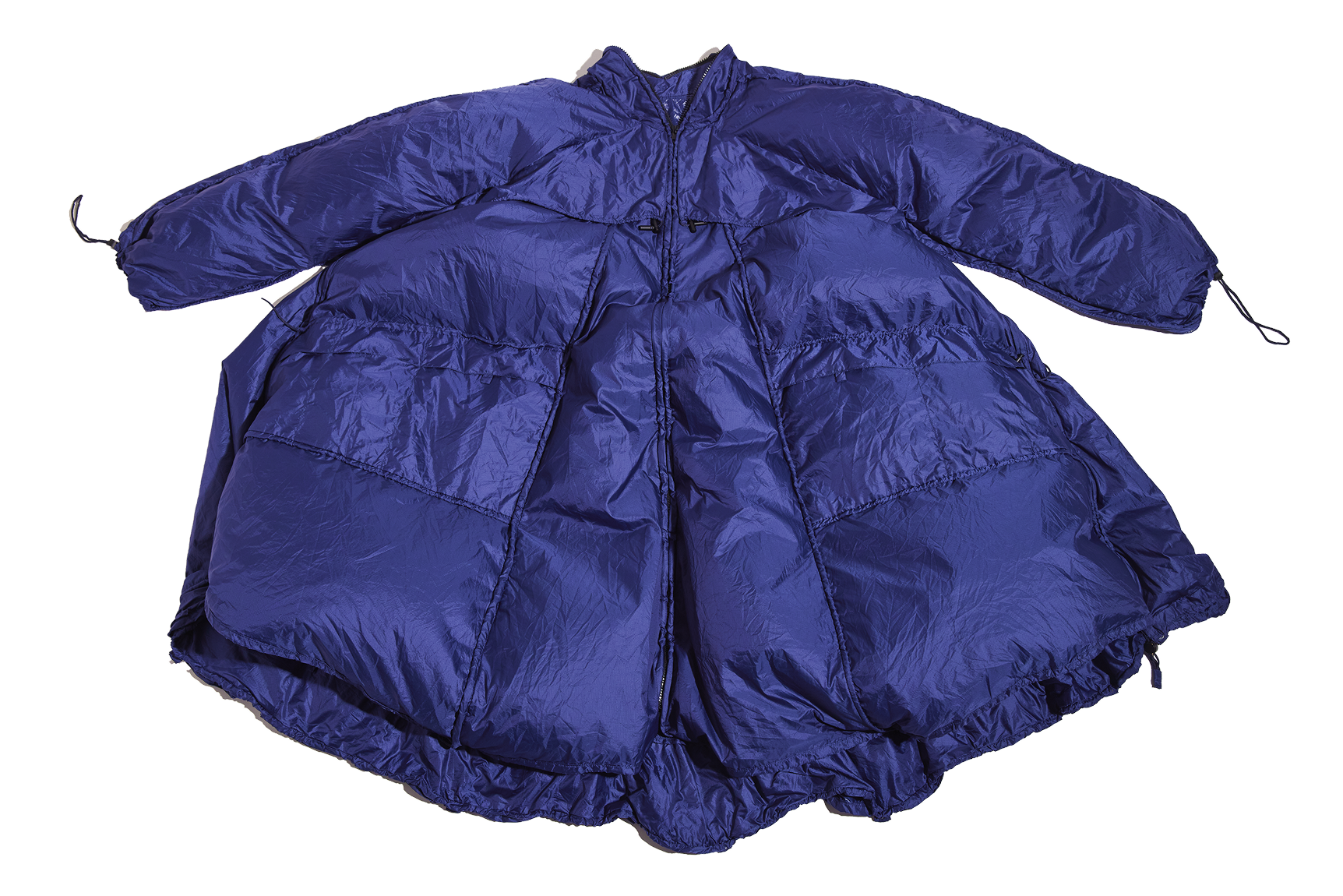
The Adaptent
PROJECT
Adaptation Tools For Communities On-The-GoROLE
Futures Concept Development | Research & Development | Prototype buildingPROBLEM STATEMENT
The Adaptent emerged from a speculative design investigation into how people might live in futures shaped by climate change, political instability and extreme weather where seasonal, strategic and repeated migrational movement becomes a response to environmental and social uncertainty.
CHALLENGE
As migrational movement patterns become a defining condition of contemporary life, the challenge is to create forms of habitation that can adapt to constant movement while providing people with systems of care, infrastructure, and adaptive tools that support resilience.


FINAL PROTOTYPE
The Adaptent responds to the growing mismatch between increasingly mobile lifestyles and conventional forms of housing, which remain largely static and tied to fixed locations.
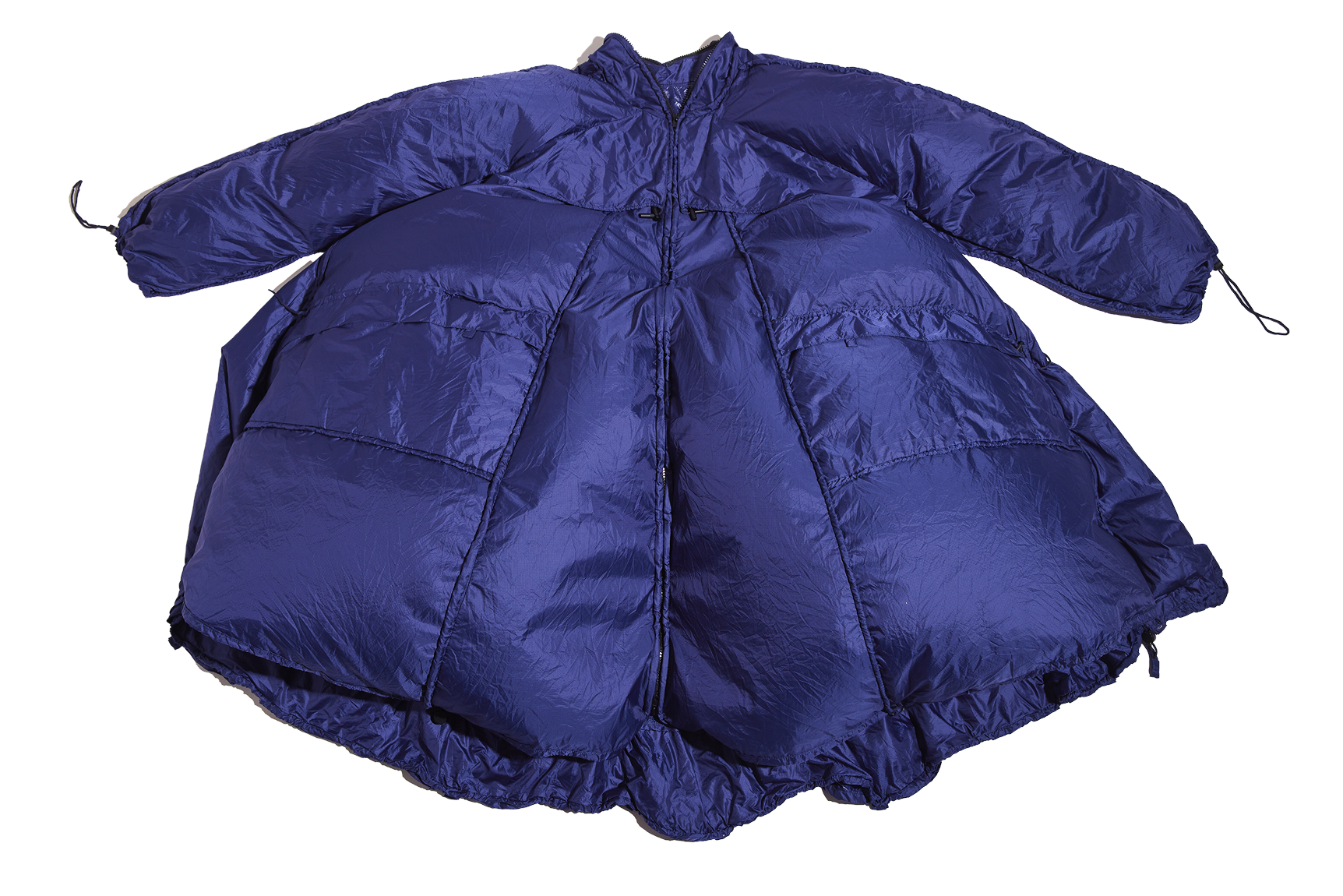
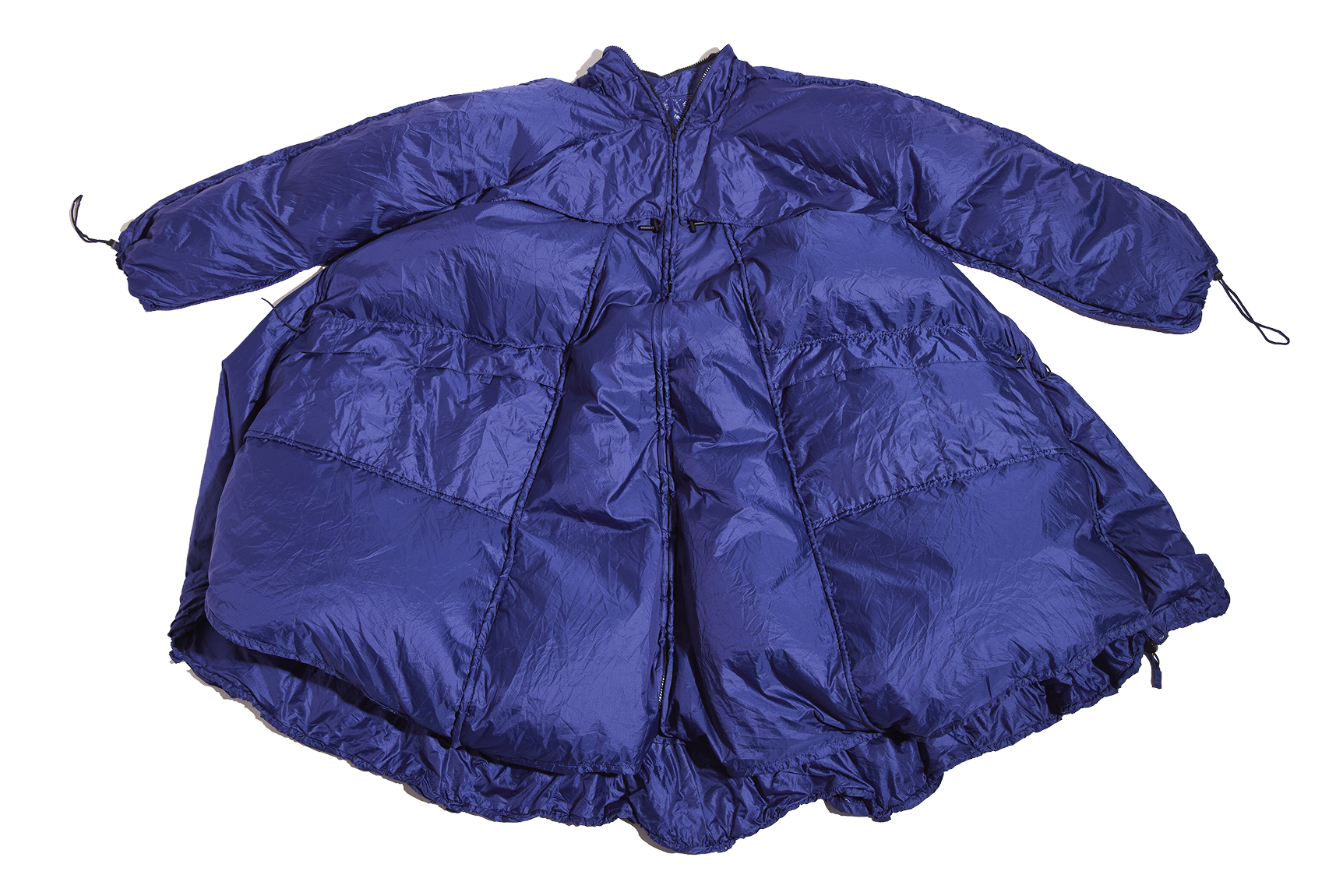
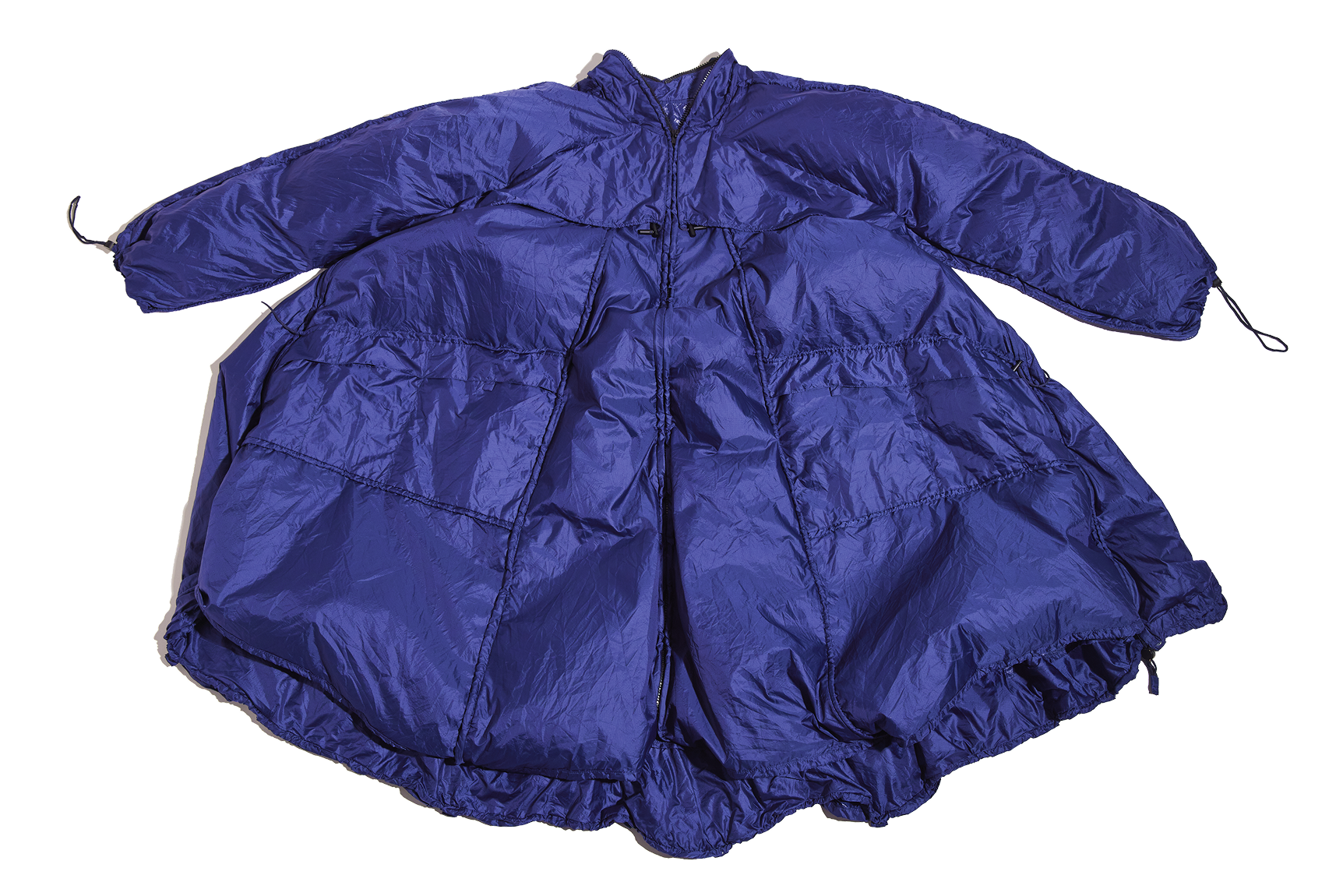
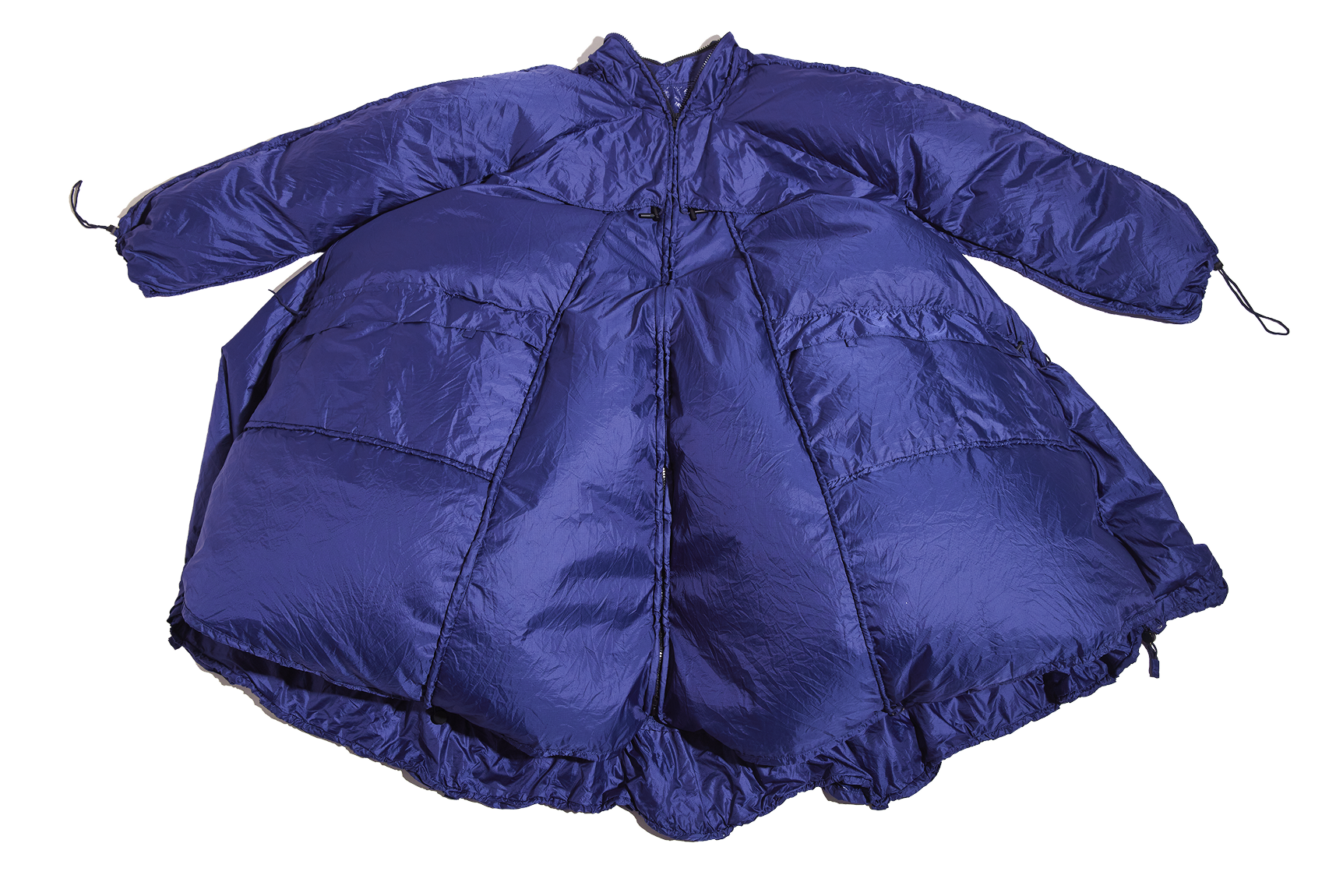
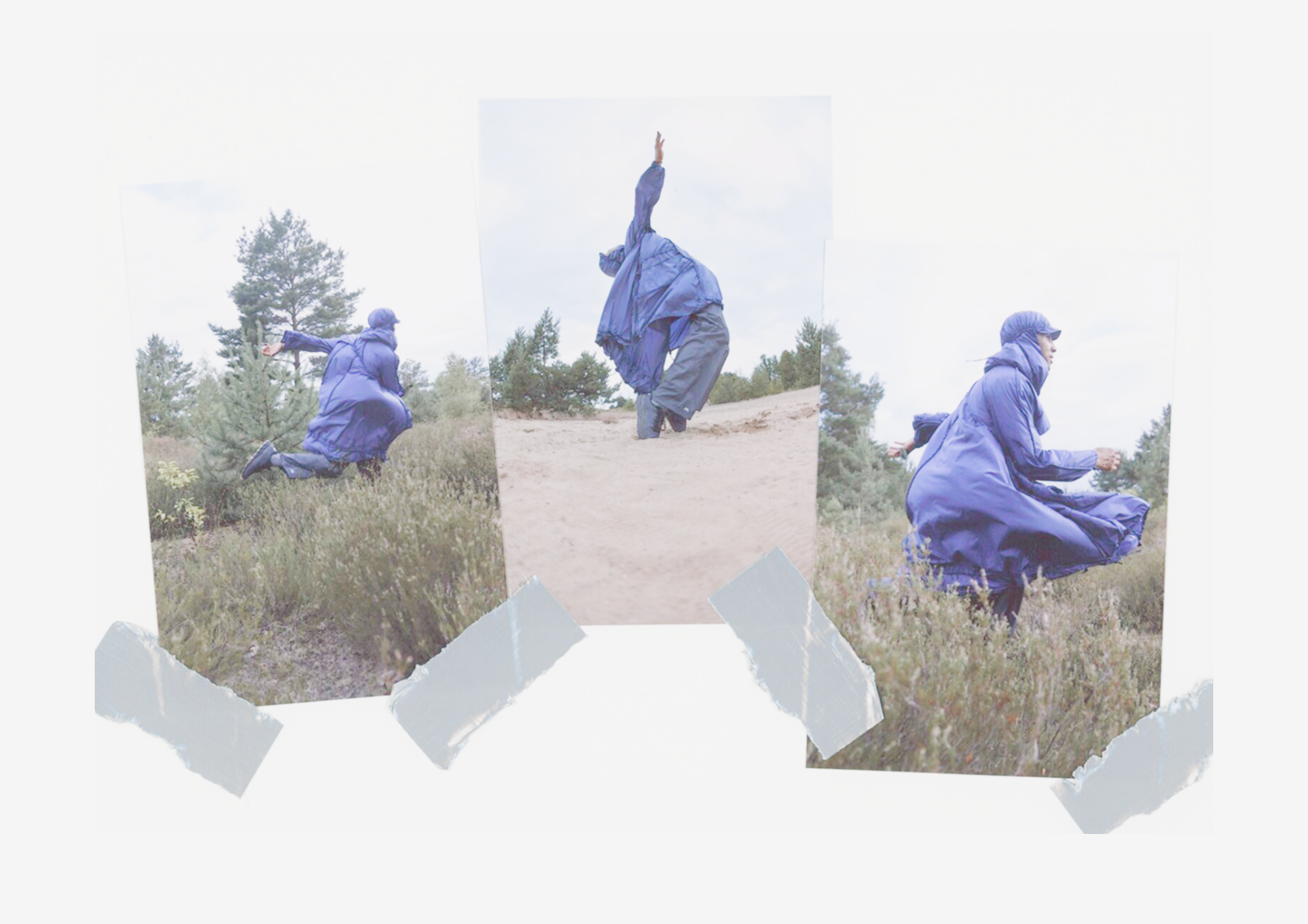
A shift away from static, place bound lifestyles to more fluid ways of being. The Adaptent dissolves the boundary between clothing and shelter, proposing a fluid, transformable living system that continuously morphs to meet the wearer's needs and supports a more responsive way of inhabiting the world.


DESIGN CONSIDERATIONS
The result is a wearable architecture concept that combines jacket and shelter into a single transformable object. Key design considerations included keeping the system lightweight, rainproof, and easy to deploy, while ensuring that the jacket functions and appears as a jacket, and the shelter functions and appears as a tent.
Positioned between garment, shelter, and survival tool, the Adaptent enables mobility while providing protection, comfort, and autonomy.

![]() WHAT IT CURRENTLY SOLVES
WHAT IT CURRENTLY SOLVES
 WHAT IT CURRENTLY SOLVES
By integrating multiple functions into one object, the prototype proposes:
- A more resource-conscious approach to design
- Explores how everyday objects can embed resilience, preparedness, and adaptability into daily life.
- Reducing material use
- Responds to lifestyles increasingly defined by flexibility and uncertainty
- Encourages versatile ownership
![]() FUTURE ITERATIONS
FUTURE ITERATIONS
 FUTURE ITERATIONS
 Future versions of the Adaptent could iterate on the following:
- An even simpler deployment mechanism
- Improved architectural structure and layout of the tent
- Improved ventilation features of tent & jacket
