Developing Sanitary Hygiene Solutions For Communities In Kenya
PROJECT
Development Of Sanitary Hygiene SolutionsCLIENT
ZanaAfricaROLE
Project Management | User & Material Research | Product DevelopmentPROBLEM
The current reality for Kenyan families using low-cost diapers is concerning. These products typically contain substandard materials resulting in inadequate absorption, frequent leaking, and significant discomfort for babies.
BRIEF
In partnership with ZanaAfrica, we set out to develop disposable and hybrid diapers that would meet the critical needs of low-income Kenyan families.
CHALLENGE
Our challenge was to create a product that delivers premium-level performance at an affordable price point while reducing health risks, minimizing environmental impact, and addressing the specific requirements of our target users.
PROCESS
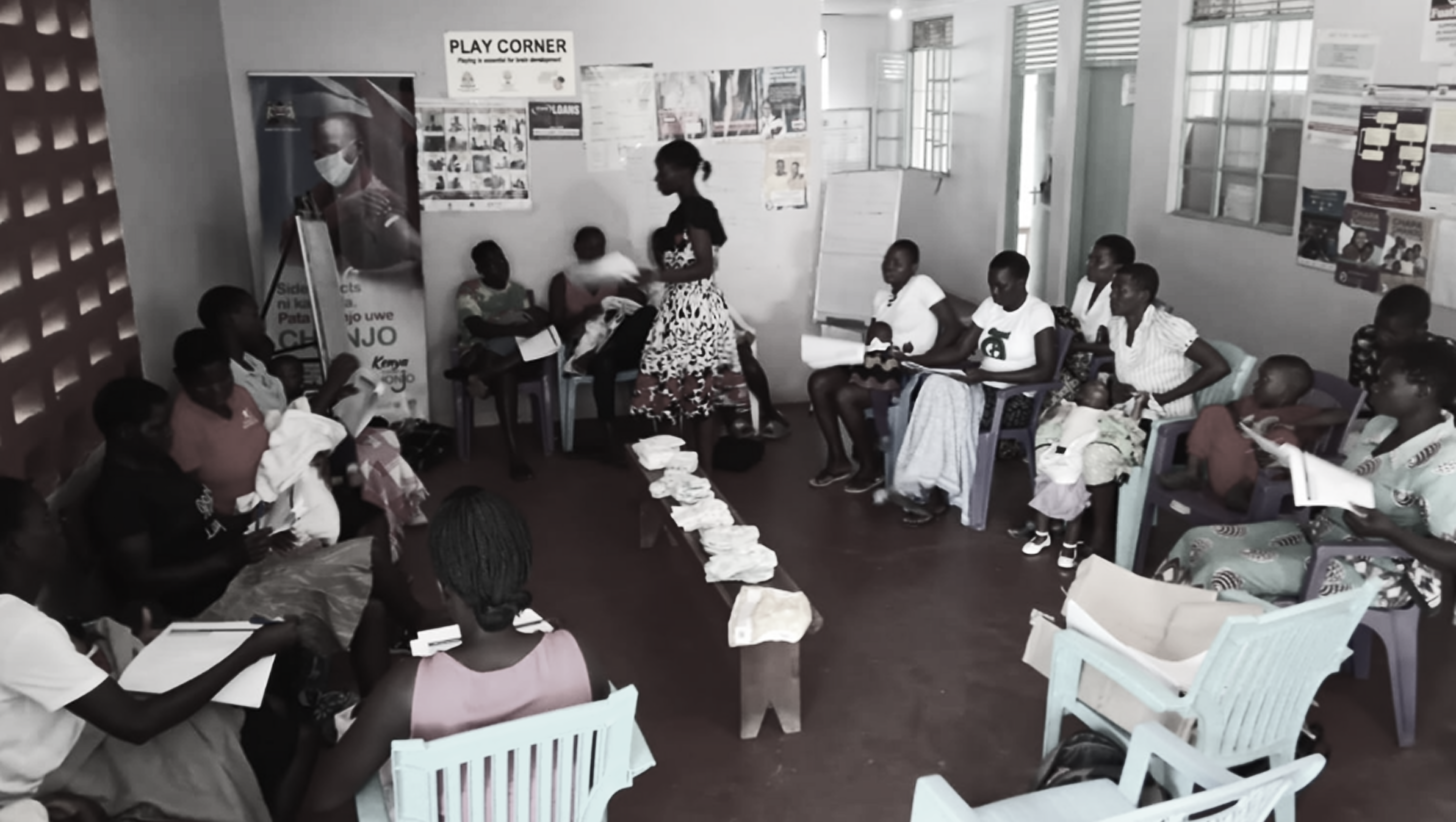
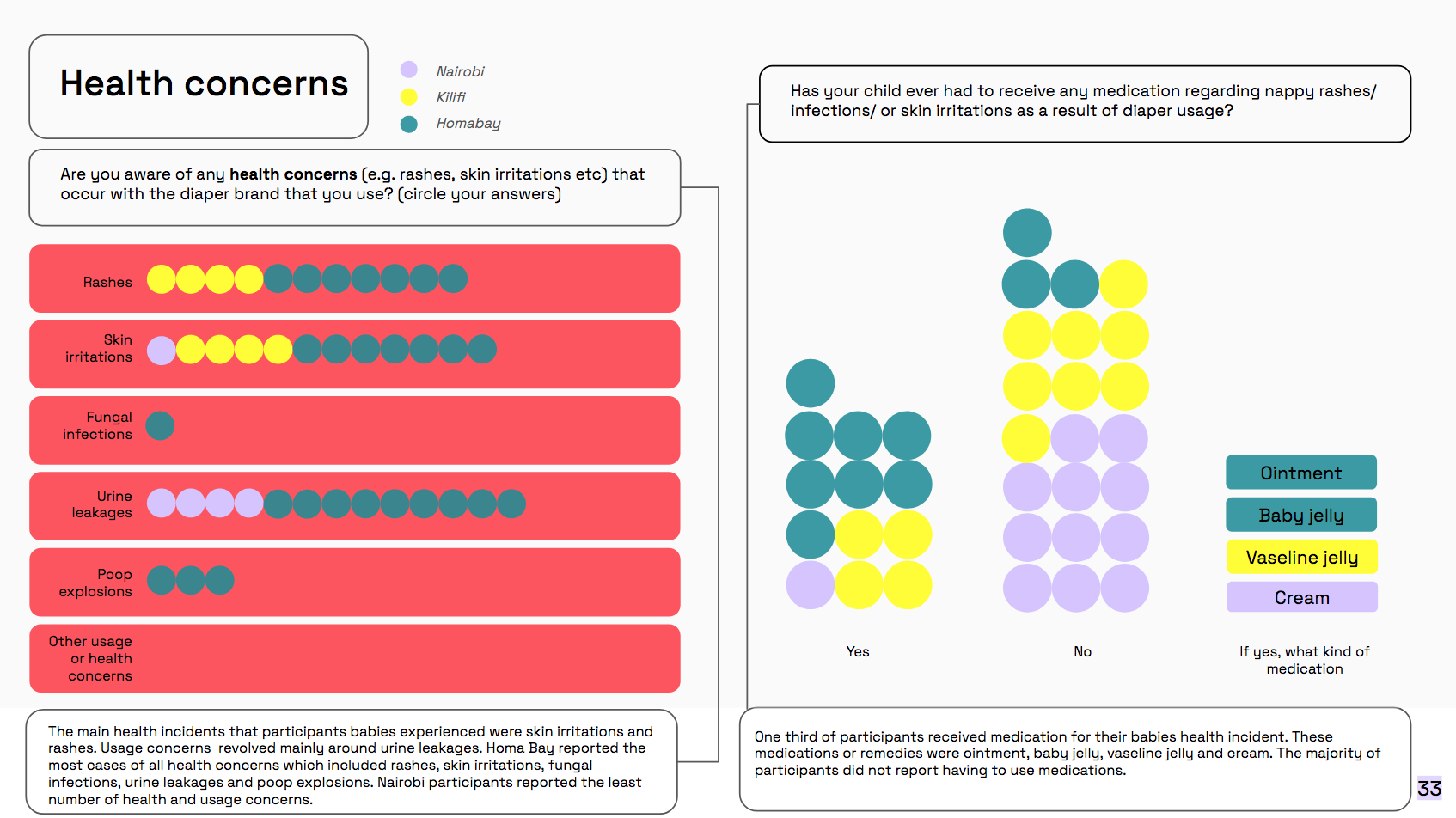
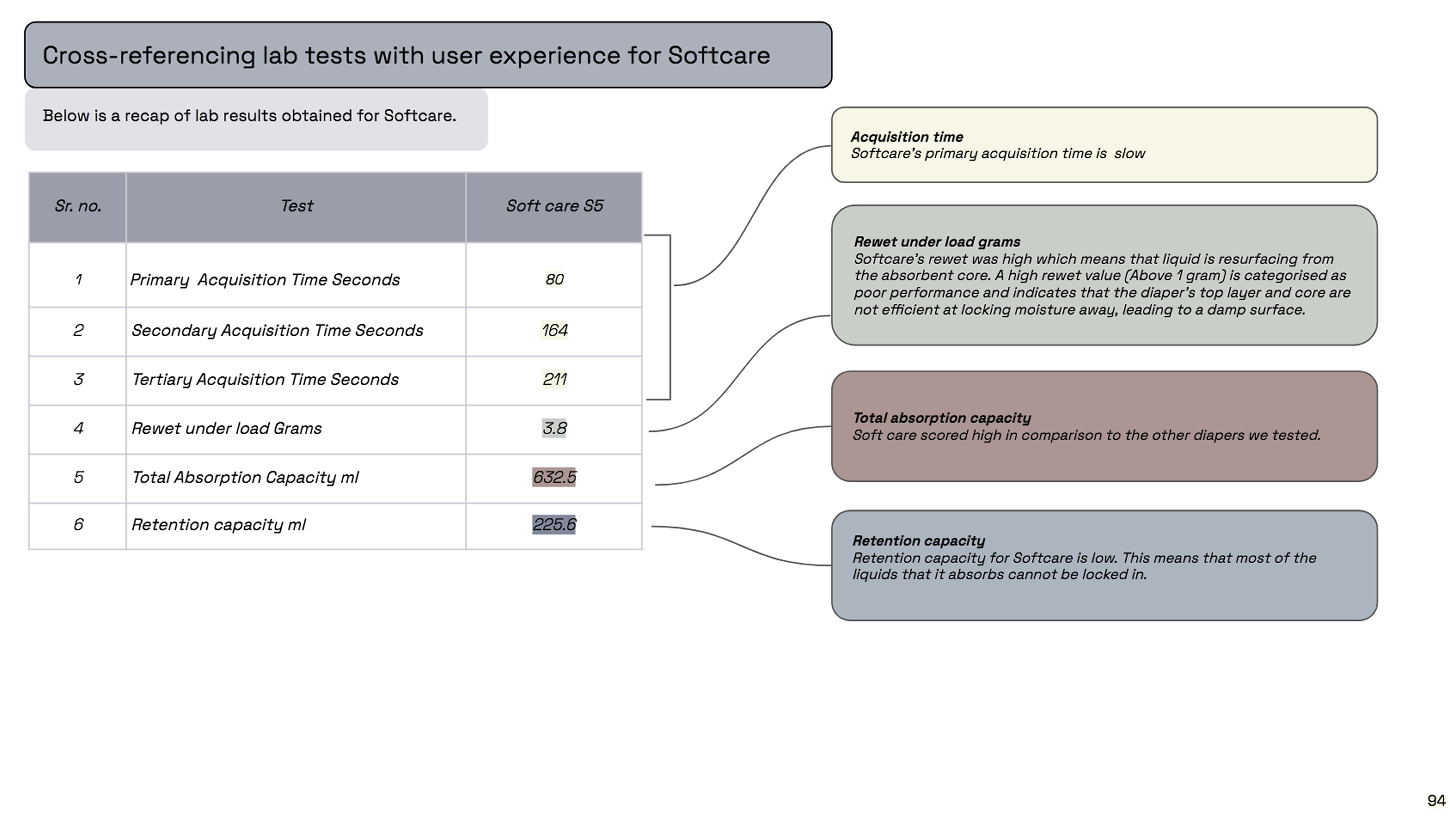
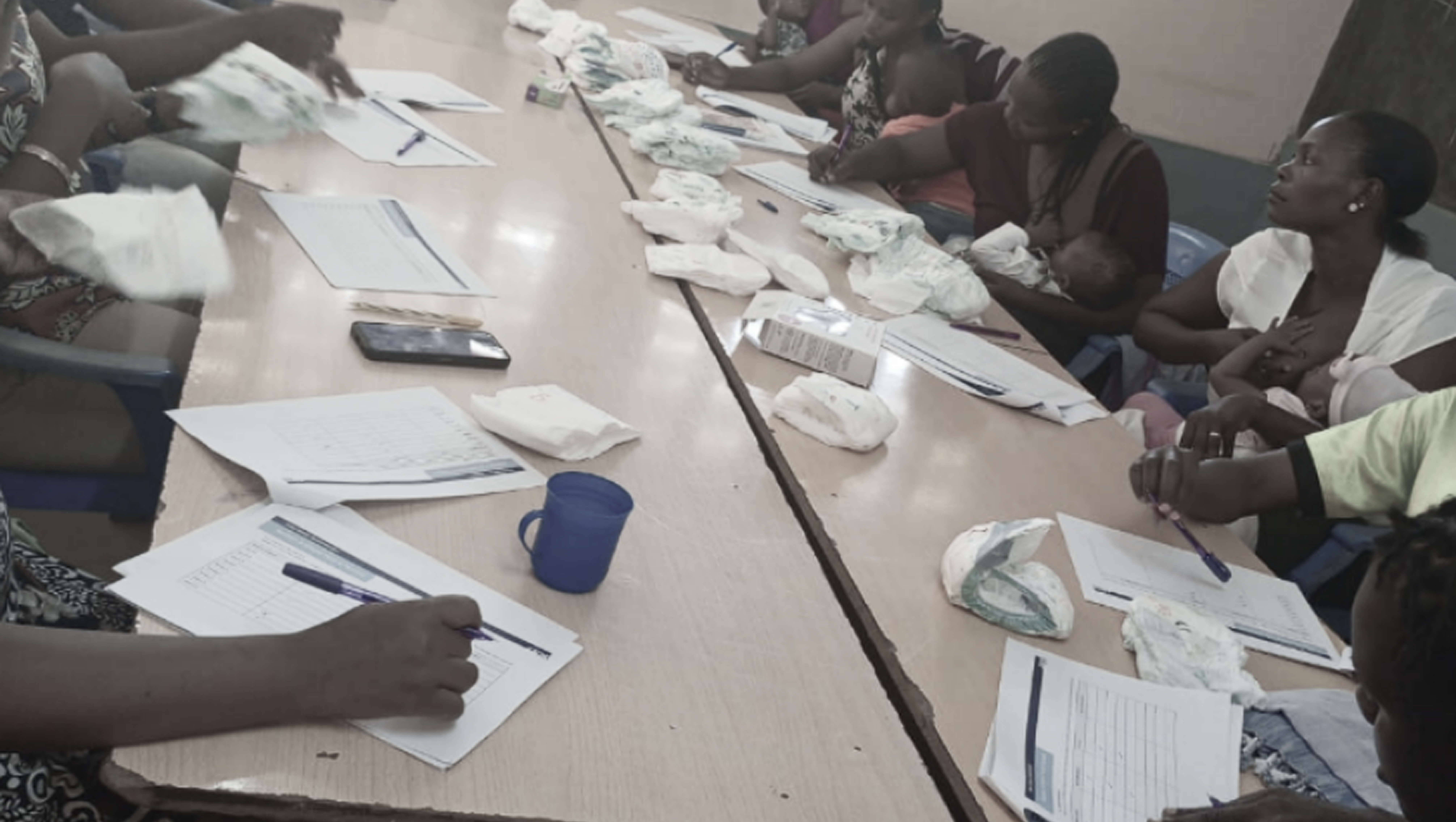
Our research combined material analysis, user testing, and laboratory evaluation to build a comprehensive understanding of diaper performance. We began by investigating the material composition and construction of disposable, eco-friendly, and hybrid diapers, working with industry experts to understand quality indicators, functionality, and cost drivers. We then conducted focus groups in Nairobi, Kilifi, and Homa Bay, followed by a six-day product trial in which participants tested different diaper brands, allowing us to assess user needs, preferences, behaviours, and real-world performance. In parallel, laboratory testing measured absorption, retention, and rewet across product types. By correlating lab results with user feedback, we identified key relationships between material performance and user outcomes such as comfort, leak prevention, and skin health, while also uncovering important gaps between laboratory metrics and lived experience.


PROTOTYPE RECOMMENDATION
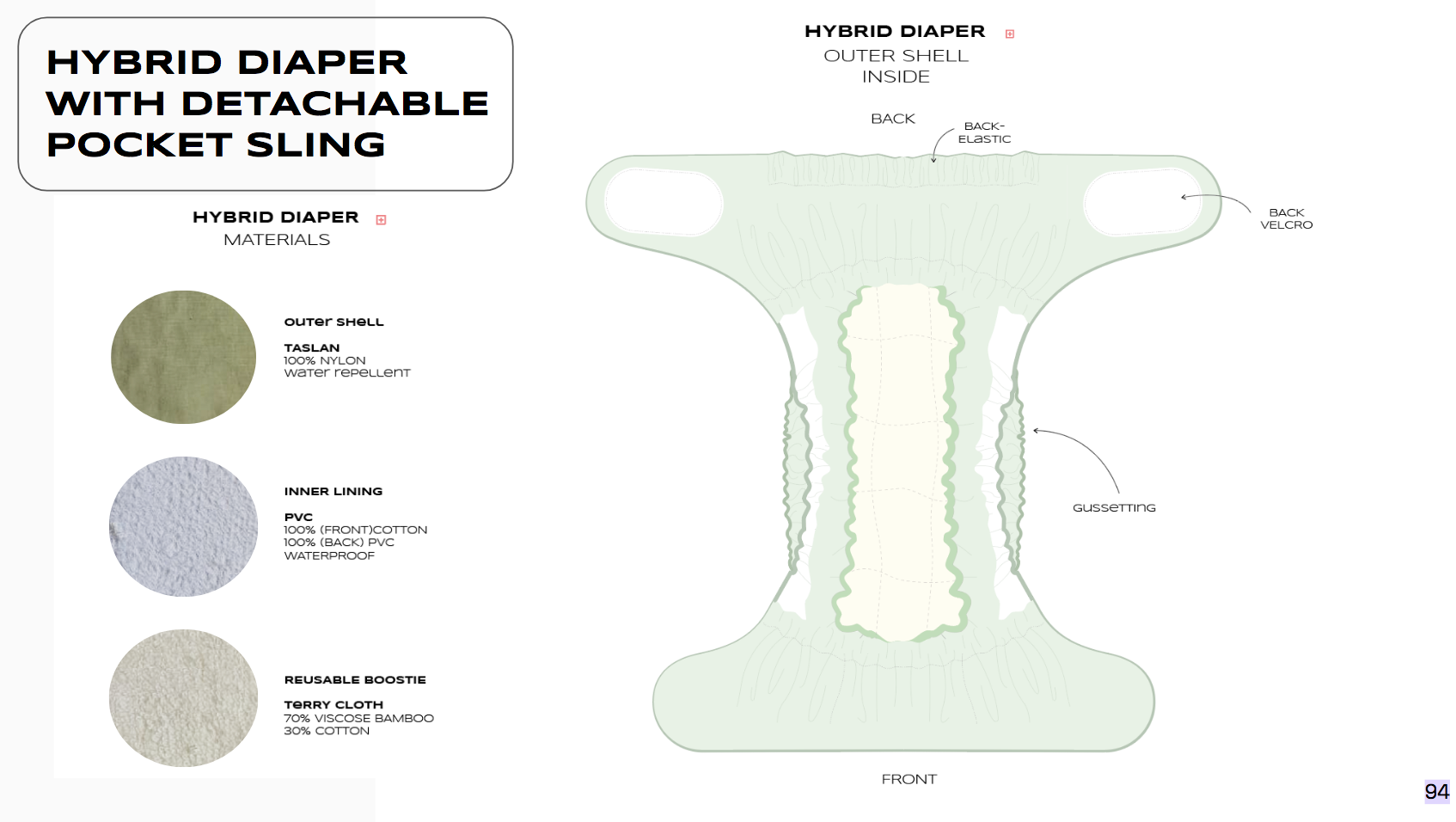
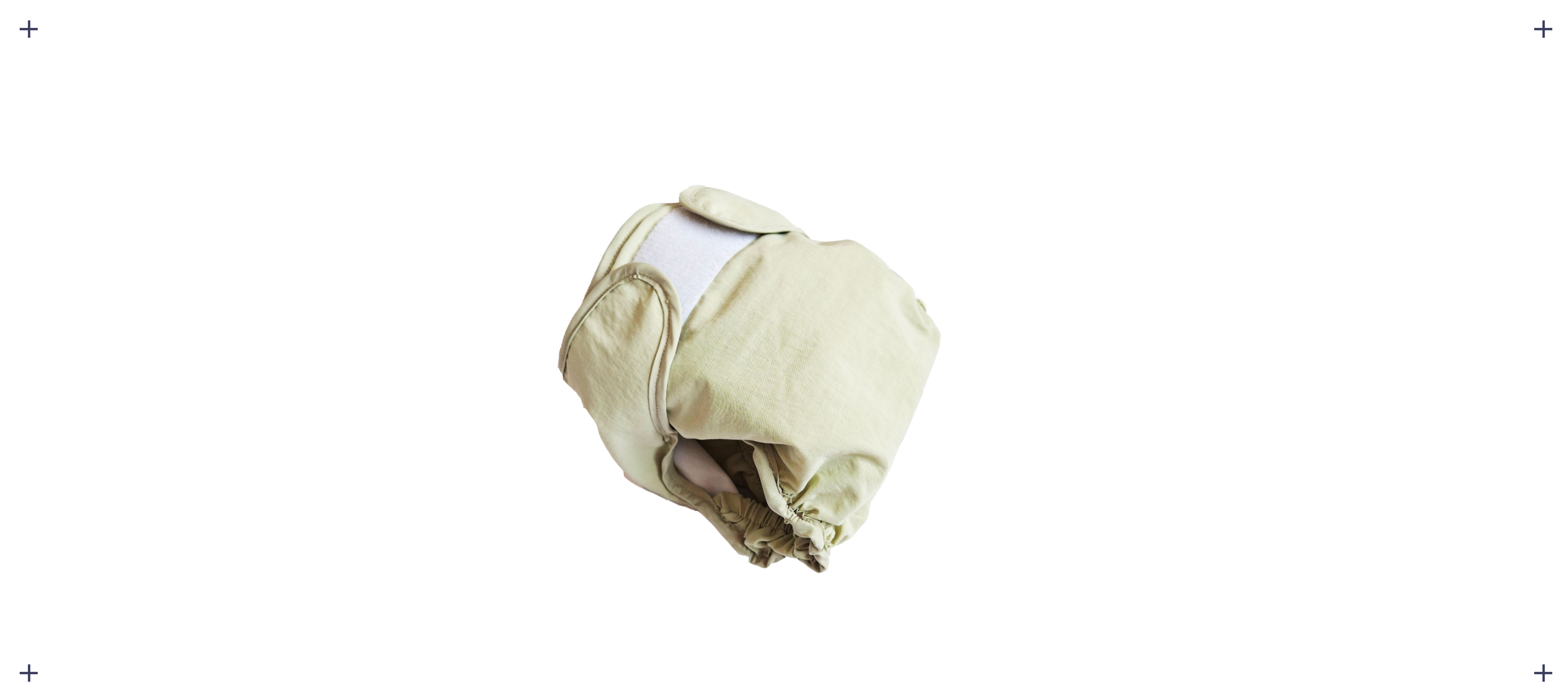
During phase 02 and 03 of our project, we set out to prototype and develop a hybrid diaper and pattern construction. We also worked with manufacturers to figure out what the most adequate and affordable strategy would be to produce disposable diapers for the Kenyan market.